A major objective of MASTS is to enhance the marine research environment through improved co-ordination and collaboration. MASTS supports this high level strategy by promoting and delivering science and training of the highest standard through its Research Forums and Working Groups.
The MASTS research agenda is driven by scientific excellence and contributes to the vision of ‘clean, healthy, safe, biologically diverse marine and coastal environments, managed to meet the long-term needs of people and nature’. MASTS actively seeks to encourage productive dialogue and understanding between scientists, other marine experts and interested parties in all sectors, including those responsible for policy development and regulation.
The Scientific Driving Force
MASTS Research Forums and Working Groups form the major scientific driving force of the MASTS community. Both are designed to be dynamic platforms of networking and knowledge exchange in specific areas of research, and act as centre points for expertise and excellence within the marine science community.
To facilitate these objectives, the MASTS Executive Committee established three major Research Themes under which to organise the research of the MASTS community. The Themes support the promotion of scientific excellence and cooperation across Forums, through networking and horizon scanning. These themes also strongly reflect the Marine Policy of the Scottish Government.
1 | Dynamics and Properties of Marine Systems
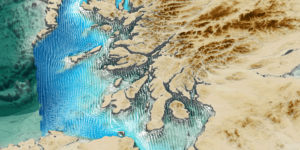
This Theme addresses the complex physical, chemical and biological interactions within dynamic marine systems. It integrates marine physics, biogeochemistry, coastal dynamics, oceanography and technological developments to understand past, present and future conditions of marine systems.
The effect of climate change on marine systems and the effect of changes in the marine system on the wider earth system fall within this theme. Observing, modelling, quantifying and, ultimately, understanding marine systems is key to understanding their response to a changing Earth’s climate. Beyond their immediate domain, the oceans determine the character, variability and trend of local, regional and global climate by their long-term storage and transport of heat and carbon and dominance of the global fresh-water cycle. A critical challenge is to integrate our knowledge of ocean systems at different spatial and temporal scales and across disciplines, and to understand how these systems interact. Advances in technology, particularly the development of new observing platforms and novel sensors will enable sustained and highly resolved observations of physical, chemical, biological and geological properties, and so play a critical role in this. Development and application of appropriate modelling tools, in conjunction with high quality observational data, are crucial for transforming data into information that can be used to inform society and policy making, and to support key user groups in the sustainable exploitation of marine resources.
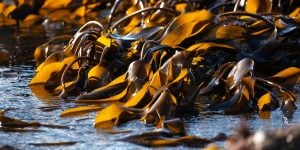
This Theme addresses the balance of exploitation against the resilience and capacity of natural systems to supply resources against a backdrop of increasing demand and climate change. The Theme encompasses world leading science to improve the sustainable productivity of our marine environment.
Both energy and food security will be fundamental drivers for marine science. Scotland is in many ways at the forefront of marine energy production through established and emerging fossil fuel extraction and marine renewables development in particular. Aquaculture is pivotal to the rural economy of some areas within Scotland and is likely to expand into the production of other non-food products and services through biofuels, marine biotechnology and genomics. Scotland’s capture fishery remains one of the largest in Europe and its long term survival will hinge upon the development of sustainable fisheries management founded on good science. As well as delivering strategic science, the Forums within this Theme also actively engage with policy, regulation and industry to address both immediate and longer term challenges.
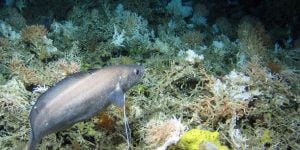
The link between the diversity, distribution in space and time, and resilience of marine organisms is central to this Theme. This includes the role of marine biodiversity in supporting ecosystem function and providing ecosystem services across the variety of marine habits, from coastal wetlands and estuaries to the deep sea.
This Theme encompasses research on the societal value that is placed on marine habitats and the socio-economic impacts of exploitation and climate change. Its scope is central to the Scottish Government research agenda for 2011-16. Maintaining marine ecosystem goods and services and addressing the challenges of climate change are vital to the Scottish economy and the management of ecosystems is essential for the conservation of key habitats and species. This Theme develops the MASTS strategy in the area of biodiversity and ecosystem services in order to contribute to our fundamental knowledge in this area and to inform national and international governments and organisations.